
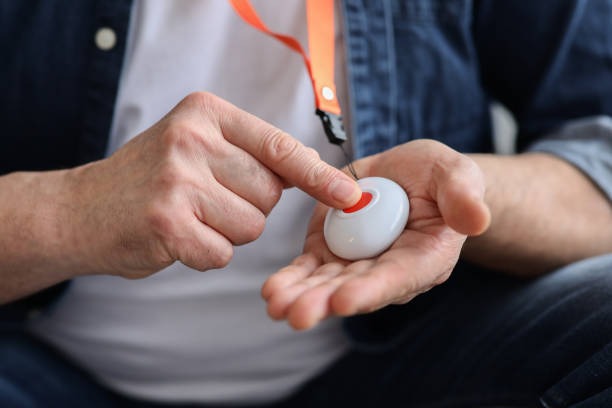
Nurse call systems have become an essential component in modern healthcare facilities, playing a vital role in enhancing patient care and operational efficiency. These systems enable patients to communicate directly with nursing staff, ensuring timely assistance and improving overall satisfaction. The practical benefits of nurse call systems extend beyond mere communication, contributing significantly to patient safety, workflow optimization, and staff responsiveness.
One of the primary advantages of nurse call systems is the immediate connection they provide between patients and caregivers. In environments such as hospitals, nursing homes, and assisted living facilities, patients often require urgent help or assistance with mobility, medication, or other needs. By pressing a button or using a bedside device, patients can alert nurses instantly, reducing wait times and preventing potential complications. This rapid communication capability is critical in emergencies, where every second counts.
Moreover, nurse call systems foster enhanced patient safety. These systems can be integrated with other technologies, such as fall detection sensors and vital sign monitors, to create a comprehensive safety network. When a patient experiences distress or a fall, the system automatically notifies the nursing staff, enabling swift intervention. This integration helps reduce incidences of unattended emergencies and improves outcomes by ensuring that patients receive prompt care.
From the perspective of healthcare staff, nurse call systems optimize workflow and resource allocation. By prioritizing alerts based on urgency and location, nurses can manage their tasks more effectively and respond to the most critical needs first. This prioritization minimizes unnecessary disruptions and enhances staff productivity. Additionally, modern nurse call systems often include reporting and analytics features that allow administrators to track response times and identify areas for improvement, contributing to continuous quality enhancement.
Another practical benefit is the improvement in patient satisfaction and comfort. Knowing that help is just a button press away gives patients peace of mind and a sense of security. This reassurance can positively impact recovery times and overall well-being. Furthermore, nurse call systems can be customized to accommodate patients with different abilities, including those with speech or hearing impairments, ensuring inclusive and accessible care.
In conclusion, nurse call systems are indispensable tools in healthcare settings, offering numerous practical benefits that enhance patient care and operational efficiency. By facilitating immediate communication, improving safety, optimizing staff workflow, and boosting patient satisfaction, these systems contribute to better healthcare outcomes. As technology continues to evolve, nurse call systems will likely become even more sophisticated, further supporting the critical role of nursing staff in delivering high-quality patient care.