
Design advances have transformed how homeowners approach cooling in modern living spaces. Intelligent configurations reduce wasted energy while maintaining consistent comfort in every season. Many households discovering affordable energy solutions often rely on services like air conditioner nowra to ensure precise, reliable performance with lower utility usage. These methods integrate seamlessly, adapting systems to match daily living patterns and interior space dynamics.
Modern Cooling Strategies For Homes
Energy-efficient innovations have shifted the perception of air conditioning from luxury to necessity. Smart zoning, precision sensors, and inverter-driven systems bring precision control to every room. The balance between functionality and sustainability shapes lasting domestic comfort across varying climates.
Integrating Smart Technology Into Cooling Units
Digital interfaces combined with energy-measuring sensors maximize control accuracy. They monitor cooling demand while reducing energy draw during idle times. Optimization features provide sustainable comfort without increasing system stress.
- Automated temperature adjustments balance cooling power
- Usage tracking refines performance analytics over time
- Time-based operation reduces excess consumption cycles
- Smart zoning delivers efficiency to occupied areas
- Sensor feedback ensures consistent climate accuracy
- Predictive learning optimizes room cooling sequences
Infused with proper controls, digital monitoring ensures both comfort and stability. As systems adapt automatically to changing conditions, energy use remains carefully contained.
How Do Building Materials Affect Efficiency?
Thermal performance depends on the materials surrounding internal living zones. Brick, concrete, or insulated panels respond differently under continuous cooling cycles. Balanced materials contribute to stability, delaying heat absorption into interior sections.
Insulated designs store less heat during the day, allowing reduced compressor load during evenings. Frequency of use becomes smoother, improving consistency while cutting unnecessary cooling spikes over longer durations.
Managing System Efficiency Through Design
Architectural planning plays a direct role in lowering energy use. The placement of vents, outlets, and sensors reduces operational strain during extended cooling hours. Proper design ensures that performance principles hold even under high exterior temperatures.
- Cross-ventilation methods maintain steady airflow indoors
- Ceiling height adjustments reduce excessive thermal buildup
- Orientation positioning minimizes sun exposure durations
- Window glazing reduces direct interior heat conduction
- Duct insulation preserves cool airflow efficiency
- Adjustable vent settings reform circulation pathways
Project designs incorporating these details minimize power draw effectively. A balanced configuration also supports longevity, maximizing the reliability of internal system components.
What Makes Modern Cooling Worth Investing In?
Homeowners value consistent comfort when choosing efficient units. Beyond the quieter operation and reduced consumption, maintenance intervals become easier to manage too. Using systems such as air conditioner nowra demonstrates energy optimization without complicating user control.
Long-term benefits surface when power bills confirm the reduction. That reassurance often supports investment toward higher-grade inverter or ducted options in future property updates.
How Can Homeowners Maintain System Efficiency?
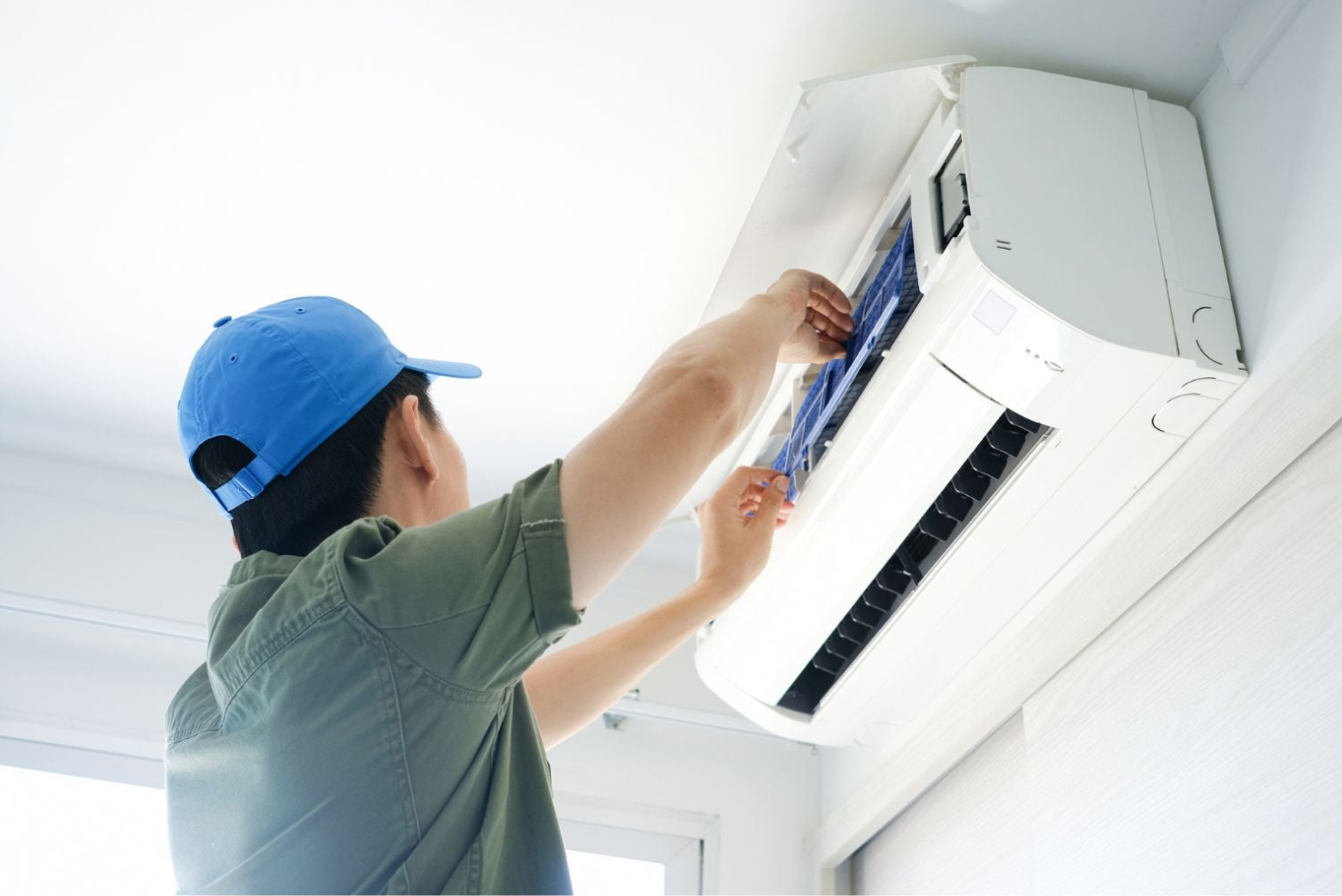
Keeping filters clean remains the simplest yet most effective strategy. Dust-free airflow prevents blockage and improves performance consistency. Users also monitor set temperatures to prevent cycling overloads.Routine inspection ensures timely detection before efficiency loss compounds. Even trimming vegetation near outdoor compressors makes an instant difference in airflow and cooling output.
Moving Toward Smarter Residential Cooling
Efficiency no longer depends only on compressor capacity but also complete environmental balance. Integrating climate behavior, design intelligence, and occupant habits creates robust comfort systems. The new generation of air conditioning exists to deliver continuous cooling harmony without excess demand, ensuring homes remain mindful of both comfort and energy preservation.