
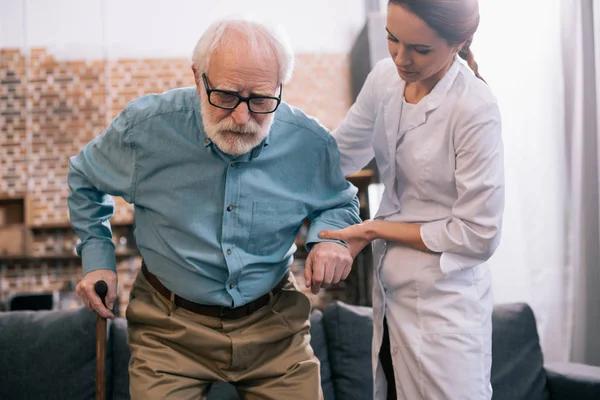
Providing quality senior care at home requires a thoughtful approach that balances safety, comfort, and emotional well-being. One of the most important aspects is creating a safe living environment tailored to the specific needs of the elderly individual. This involves removing potential hazards such as loose rugs, cluttered walkways, and inadequate lighting to prevent falls and accidents. Installing grab bars in bathrooms and ensuring easy access to frequently used items can also enhance independence while reducing risks.
Effective communication plays a crucial role in delivering high-quality care. Caregivers should maintain open dialogue with seniors, encouraging them to express their needs and preferences clearly. Listening attentively helps build trust and allows caregivers to respond appropriately to changes in health or mood. Regularly updating family members or healthcare professionals about any concerns ensures coordinated support for the senior’s overall well-being.
Personalized care plans are essential because each senior has unique health conditions, mobility levels, and lifestyle habits. Developing these plans collaboratively with medical practitioners ensures that medication schedules are followed accurately and any therapeutic exercises or dietary requirements are integrated into daily routines. Monitoring vital signs when necessary helps detect early warning signs of illness or complications before they become severe.
Emotional support significantly impacts seniors’ discover more quality of life at home. Loneliness can lead to depression or cognitive decline; therefore, fostering social interaction through visits from friends, family members, or community groups is beneficial. Engaging in hobbies or activities that stimulate mental faculties keeps seniors active mentally while providing enjoyment and purpose.
Nutrition must not be overlooked when caring for older adults at home. Preparing balanced meals rich in essential nutrients supports physical health and energy levels needed for daily tasks. Hydration is equally important since older adults often experience diminished thirst sensations which can increase dehydration risk.
Caregiver training enhances service quality by equipping individuals with knowledge about age-related changes and effective caregiving techniques tailored specifically for elderly populations. Understanding how to manage chronic conditions like arthritis or dementia improves responsiveness during challenging situations while promoting dignity for those receiving care.
Lastly, respecting privacy and autonomy fosters a positive atmosphere where seniors feel valued rather than dependent solely on others’ assistance. Encouraging decision-making within their capacity empowers them while maintaining self-esteem.
Incorporating these best practices creates an environment conducive to healthy aging in place with dignity, safety, comfort, and happiness as guiding principles throughout the caregiving journey at home.