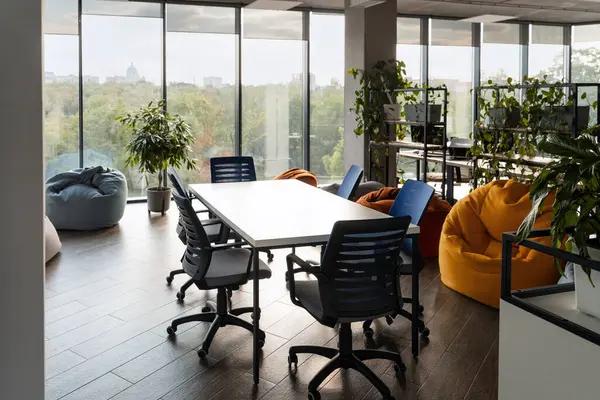
In the wake of the COVID-19 pandemic, the traditional concept of workspaces has undergone a significant transformation. The shift from conventional office settings to more flexible arrangements has been accelerated by necessity, leading to the rise of coworking spaces as a viable alternative. This evolution is not merely about adapting to new health guidelines but also about redefining how we perceive and utilize work environments in a post-COVID world.
Coworking spaces have emerged as dynamic ecosystems that cater to diverse professional needs. They offer flexibility, community, and resources that are particularly appealing in an era where remote work has become normalized. These shared environments provide freelancers, entrepreneurs, startups, and even established companies with an opportunity to operate outside find out the truth confines of traditional offices while still benefiting from a structured workspace.
The appeal of coworking spaces lies in their ability to foster collaboration and innovation. Unlike isolated home offices or rigid corporate settings, these spaces are designed to encourage interaction among individuals from various industries and backgrounds. This cross-pollination of ideas can lead to creative solutions and partnerships that might not occur within more siloed environments.
Moreover, coworking spaces offer practical advantages such as reduced overhead costs for businesses looking to downsize their physical footprint without sacrificing productivity or employee satisfaction. Companies can scale up or down with ease depending on their current needs without being tied into long-term leases or hefty maintenance expenses associated with traditional office buildings.
Health considerations remain paramount in this new landscape. Coworking operators have adapted by implementing stringent hygiene protocols and redesigning layouts to ensure social distancing while maintaining an inviting atmosphere. Enhanced cleaning measures, contactless technology integrations, improved ventilation systems, and strategically placed sanitization stations are now standard features aimed at safeguarding members’ well-being.
Flexibility extends beyond physical space; it encompasses time management too. Many coworking facilities offer 24/7 access along with options for part-time memberships tailored specifically towards those balancing multiple commitments—be it personal obligations or varied project timelines—which further enhances their attractiveness compared against fixed-hour corporate norms pre-pandemic days had instilled upon us all alike!
In addition thereto: mental wellness initiatives like meditation rooms alongside recreational amenities help alleviate stress levels commonly associated when working remotely alone over extended periods; thus creating balanced holistic experiences conducive towards both professional growth plus personal development simultaneously achieved through harmonious integration between life spheres once seen disparate but now unified under one roof—the modern-day coworkspace umbrella!
As we navigate this transformative period within our societal fabric collectively together worldwide today tomorrow beyond — embracing innovative approaches toward redefining what constitutes effective productive workplaces will undoubtedly continue shaping future generations’ perceptions around employment itself overall!