
Installing an air conditioning system is a significant decision for homeowners seeking comfort during warm months. When considering air conditioning installation, many face the choice between attempting a do-it-yourself (DIY) approach or hiring professional services. Each option comes with distinct advantages and potential drawbacks that should be carefully evaluated before proceeding.
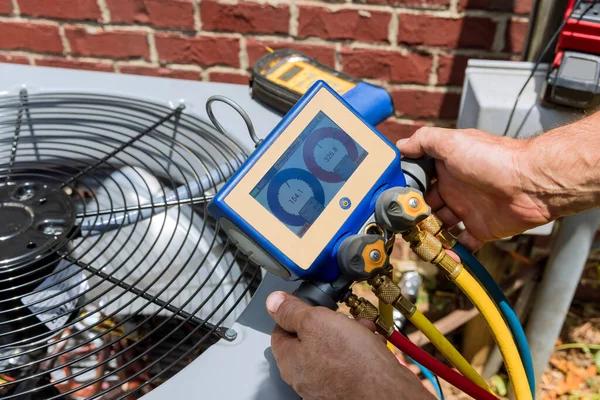
Opting for a DIY installation might initially seem appealing due to cost savings and the satisfaction of completing the task independently. Homeowners who have basic technical skills and experience with electrical work may find it manageable to install smaller window units or portable air conditioners without external help. However, central air conditioning systems are far more complex, involving intricate components such as refrigerant lines, electrical wiring, ductwork, and precise calibration of the unit. Mistakes in any part of this process can lead to inefficient cooling performance or even damage to the system itself.
Another important consideration when choosing DIY installation is safety. Handling refrigerants requires specialized knowledge and equipment because these substances can be hazardous if improperly managed. Additionally, incorrect electrical connections pose risks of shock or fire hazards. Professional technicians undergo rigorous training to handle these challenges safely while adhering to local building codes and regulations.
Professional services offer several benefits beyond safety assurances. Technicians bring expertise gained through experience and certification programs that ensure proper sizing and placement of units tailored specifically to a home’s layout and insulation levels. This precision helps optimize energy efficiency, reducing long-term utility costs while maintaining consistent indoor temperatures throughout living spaces.
Moreover, professionals provide warranties on both labor and parts used during installation, offering peace of mind in case issues arise after setup is complete. They also handle necessary permits required by municipalities for certain types of installations-a step often overlooked by those attempting DIY projects but essential for legal compliance.
While professional installation generally involves higher upfront costs compared to DIY attempts, it often results in better overall value due to improved system longevity and performance reliability over time. For homeowners unfamiliar with HVAC systems or lacking confidence in their technical abilities, investing in expert service reduces stress associated with troubleshooting problems that may occur post-installation.
In conclusion, deciding between DIY air conditioning installation versus hiring professionals depends largely on one’s skill level, willingness to manage risks involved with handling complex equipment safely, budget constraints, and desire for guaranteed quality outcomes. Although installing simple units might be feasible without outside assistance for some individuals familiar with basic tools and instructions manuals available online; most residential setups benefit significantly from professional involvement ensuring optimal function combined with adherence to safety standards throughout every stage of implementation.