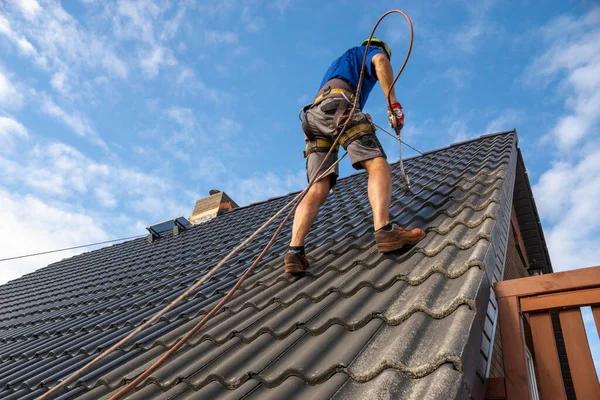

Certified roofers play a crucial role in ensuring the structural safety of buildings through their expertise, training, and adherence to industry standards. Their certification signifies that they have undergone rigorous education and practical experience, equipping them with the knowledge required to assess, install, repair, and maintain roofing systems properly. This professional qualification is vital because roofing is not merely about aesthetics or weather protection; it directly impacts the overall stability of a structure.
One way certified roofers guarantee structural safety is by conducting thorough inspections before starting any work. They examine existing roofs for signs of damage such as leaks, rot, mold growth, or weakened support beams. Identifying these issues early allows them to recommend necessary repairs or reinforcements that prevent further deterioration and potential collapse. Certified professionals understand how different materials interact with building frameworks and can detect subtle problems that untrained individuals might miss.
During installation or replacement projects, certified roofers follow manufacturer guidelines and local building codes meticulously. These regulations are designed to ensure roofs withstand environmental stresses like wind loads, heavy rainfalls, snow accumulation, and temperature fluctuations without compromising structural integrity. By adhering strictly to these standards, certified roofers help protect homes from hazards caused by improper construction methods read more such as inadequate fastening or poor ventilation.
Moreover, certified roofers possess specialized skills in selecting appropriate materials tailored to specific climates and architectural designs. Using high-quality shingles or membranes compatible with the underlying structure reduces risks associated with premature wear or failure under extreme conditions. Proper material choice also enhances energy efficiency by improving insulation properties while preventing moisture infiltration that could weaken wooden supports over time.
Another important aspect involves effective communication between certified roofers and other construction professionals including architects and engineers. Collaboration ensures roofing solutions align perfectly with overall building plans while addressing unique challenges posed by site conditions like slope angle or load-bearing capacity requirements. This integrated approach minimizes errors during installation phases which might otherwise lead to costly repairs later on.
Maintenance services offered by certified roofers further contribute significantly toward long-term structural safety. Routine inspections combined with timely cleaning of gutters and removal of debris prevent water pooling which accelerates deterioration processes affecting both roofing surfaces and supporting elements underneath.
In summary, certified roofers ensure structural safety through comprehensive assessments prior to work commencement; strict compliance with established codes during installation; careful selection of suitable materials; collaboration within multidisciplinary teams; plus ongoing maintenance efforts aimed at preserving durability over time. Their expertise provides peace of mind for property owners knowing their roofs not only protect against weather but also uphold the fundamental strength essential for safe occupancy throughout a building’s lifespan.