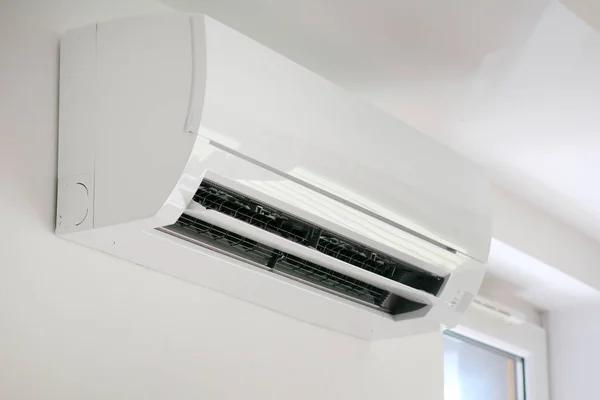
Repairing an air conditioner can seem daunting for many homeowners, but with some basic knowledge and careful steps, you can troubleshoot and fix common issues effectively. The first step in addressing any air conditioning problem is to ensure the unit is receiving power. Check the circuit breaker or fuse box to confirm that the system has not tripped or blown a fuse. Sometimes, resetting the breaker or replacing a fuse restores power without further intervention. Next, inspect the thermostat settings; make sure it is set to “cool” mode and that the temperature setting is lower than the current room temperature. Faulty thermostat batteries may also cause problems, so replace them if necessary.
If your air conditioner powers on but does not cool properly, one possible cause could be dirty or clogged filters. Filters trap dust and debris over time, reducing airflow and efficiency. Removing and cleaning or replacing these filters regularly improves performance significantly. Another important component to check is contact the team outdoor condenser unit. Ensure it is free from obstructions such as leaves, dirt buildup, or debris that can block airflow around the coils. Gently clean this area using a garden hose on low pressure once you have turned off power to avoid damage.
HVAC services in Sedalia
Refrigerant leaks are another common issue leading to poor cooling performance. Low refrigerant levels prevent proper heat exchange inside your system’s coils. Unfortunately, detecting leaks requires specialized equipment and expertise; therefore, calling a professional HVAC technician for this task is recommended rather than attempting self-repair.
Unusual noises coming from your air conditioner may indicate mechanical problems such as loose parts or worn-out components like fans or motors needing lubrication or replacement. If you hear rattling sounds when operating your AC unit, carefully examine visible screws and bolts for tightness after switching off power supply.
Drainage issues also affect an air conditioner’s function since excess moisture must be removed efficiently through condensate drains to prevent water damage indoors and maintain humidity control within your home environment. Clear any clogs in drain lines by flushing them with distilled white vinegar followed by warm water periodically.
Regular maintenance extends beyond repairs; scheduling annual professional inspections helps identify hidden problems early before they escalate into costly breakdowns during peak usage periods in summer months.
While minor fixes like changing filters are manageable independently with minimal tools required-typically screwdrivers and hoses-more complex repairs involving electrical wiring should always be handled by licensed professionals due to safety concerns.
By following these guidelines attentively while respecting limitations of DIY skills related to technical tasks ensures optimal operation of your air conditioning system throughout its lifespan while maintaining comfort inside your home year-round without unnecessary expenses caused by neglecting routine care measures essential for smooth functioning of modern HVAC units designed for energy efficiency combined with reliable climate control capabilities tailored specifically according to homeowner needs worldwide today.
ACR Heating and Cooling
1609 S Missouri Ave, Sedalia, MO 65301
660-827-2322