
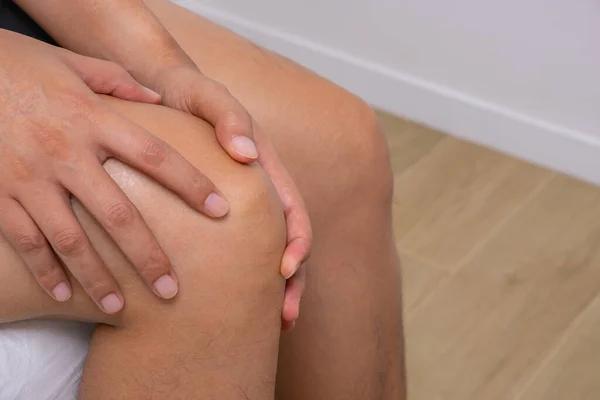
Knee pain is a common complaint among older adults and can significantly impact daily activities and overall quality of life. Understanding the causes, symptoms, and potential treatments for knee pain in this population is essential for managing discomfort effectively. As people age, the structures within the knee joint, including cartilage, ligaments, and bones, undergo natural wear and tear. This degeneration often leads to conditions such as osteoarthritis, which is one of the most frequent reasons older adults experience knee pain. Osteoarthritis occurs when the protective cartilage cushioning the ends of bones gradually breaks down, resulting in stiffness, swelling, and reduced mobility.
In addition to osteoarthritis, other factors may contribute to knee surgeon dallas pain in older individuals. Tendonitis or inflammation of tendons around the knee can develop due to repetitive movements or strain over time. Bursitis involves inflammation of small fluid-filled sacs that reduce friction between tissues near joints and can cause localized tenderness. Meniscal tears are also common in aging knees; these are injuries to the shock-absorbing cartilage that may result from minor trauma or gradual deterioration. Furthermore, muscle weakness around the knee joint often exacerbates discomfort by reducing stability during movement.
Symptoms associated with knee pain vary depending on its underlying cause but typically include aching sensations within or around the joint accompanied by stiffness after periods of inactivity such as sitting or sleeping. Swelling might appear following physical activity or prolonged standing. Some individuals notice a grinding sensation known as crepitus when bending or straightening their knees due to roughened cartilage surfaces rubbing together.
Diagnosing knee pain requires a thorough clinical evaluation by healthcare professionals who will review medical history alongside physical examination findings like range of motion tests and palpation for tenderness areas. Imaging studies such as X-rays help identify bone changes characteristic of arthritis while MRI scans provide detailed views of soft tissue structures including ligaments and menisci.
Treatment approaches aim at relieving symptoms while improving function through both non-surgical methods and surgical options if necessary. Conservative management includes lifestyle modifications like weight loss to reduce stress on joints along with low-impact exercises designed to strengthen muscles supporting the knee without causing further damage. Physical therapy plays a crucial role by enhancing flexibility and promoting safe movement patterns tailored individually.
Medications such as acetaminophen or nonsteroidal anti-inflammatory drugs (NSAIDs) may be prescribed temporarily for pain control but should be used cautiously considering possible side effects especially in elderly patients with other health conditions.
When conservative measures fail to provide adequate relief or when structural damage severely impairs mobility, surgical interventions like arthroscopy or total knee replacement might be considered after careful assessment by orthopedic specialists.
Overall understanding various causes behind persistent knee discomfort allows older adults along with caregivers to seek appropriate care early on preventing progression toward disability while maintaining an active lifestyle conducive to healthy aging processes throughout later years.
Steven J Thornton, MD
7115 Greenville Ave ste 310, Dallas, TX 75231
214-265-3271