When your air conditioner is not cooling properly, it can make your living space uncomfortable and increase energy bills. Several factors may contribute to this issue, ranging from simple maintenance problems to more complex mechanical failures. Understanding these causes can help you identify the problem early and decide whether professional assistance is necessary.
One common reason for poor cooling performance is a dirty or clogged air filter. Air filters trap dust, pollen, and other particles to improve indoor air quality, but over time they become clogged and restrict airflow. Reduced airflow means the system has to work harder to cool the room, often resulting in inadequate temperature control. Regularly replacing or cleaning the filter can restore proper airflow and improve cooling efficiency.
Another frequent cause is low refrigerant levels. The refrigerant is responsible for absorbing heat from inside your home and releasing it outside. If there’s a leak or if the refrigerant charge was never adequate during installation, the ac repair will struggle to remove heat effectively. Low refrigerant levels can also lead to ice formation on coils, further reducing cooling capacity.
Issues with the condenser unit located outside your home might also be at fault. Dirt, leaves, or debris can accumulate on the condenser coils or around the unit itself, limiting its ability to release heat outdoors. This buildup forces the system to work harder than necessary and diminishes its overall effectiveness in cooling your space.
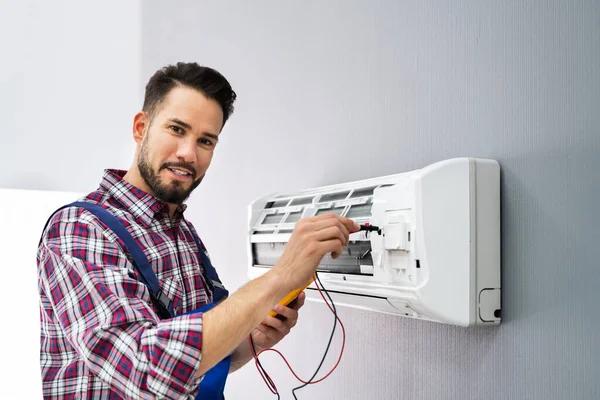
Electrical problems such as faulty wiring or malfunctioning capacitors could prevent components like fans or compressors from operating correctly. These parts are essential for circulating air and compressing refrigerant; when they fail or operate intermittently due to electrical issues, cooling performance suffers significantly.
Thermostat malfunctions sometimes cause incorrect temperature readings that mislead your AC system into running inefficiently or shutting off prematurely before reaching desired temperatures. Ensuring that thermostats are calibrated correctly and placed away from direct sunlight or heat sources helps maintain accurate temperature control.
Inadequate insulation in windows and doors allows cooled air to escape while letting warm air enter indoors rapidly after activation of an AC unit; this situation creates constant strain on any system trying to lower indoor temperatures effectively.
Lastly, aging equipment naturally loses efficiency over time due to wear on internal components like compressors and motors; older units might need replacement rather than repair if persistent poor cooling occurs despite routine maintenance efforts.
Addressing these potential causes through regular upkeep such as cleaning filters frequently checking refrigerant levels inspecting outdoor units ensuring proper thermostat function improving home insulation will enhance an AC’s ability to cool properly while extending its lifespan efficiently without unexpected breakdowns during hot weather periods when reliable performance matters most.
Merrell & Associates
200 Ridgecrest Ave, Carrollton, GA 30117
770-872-4171